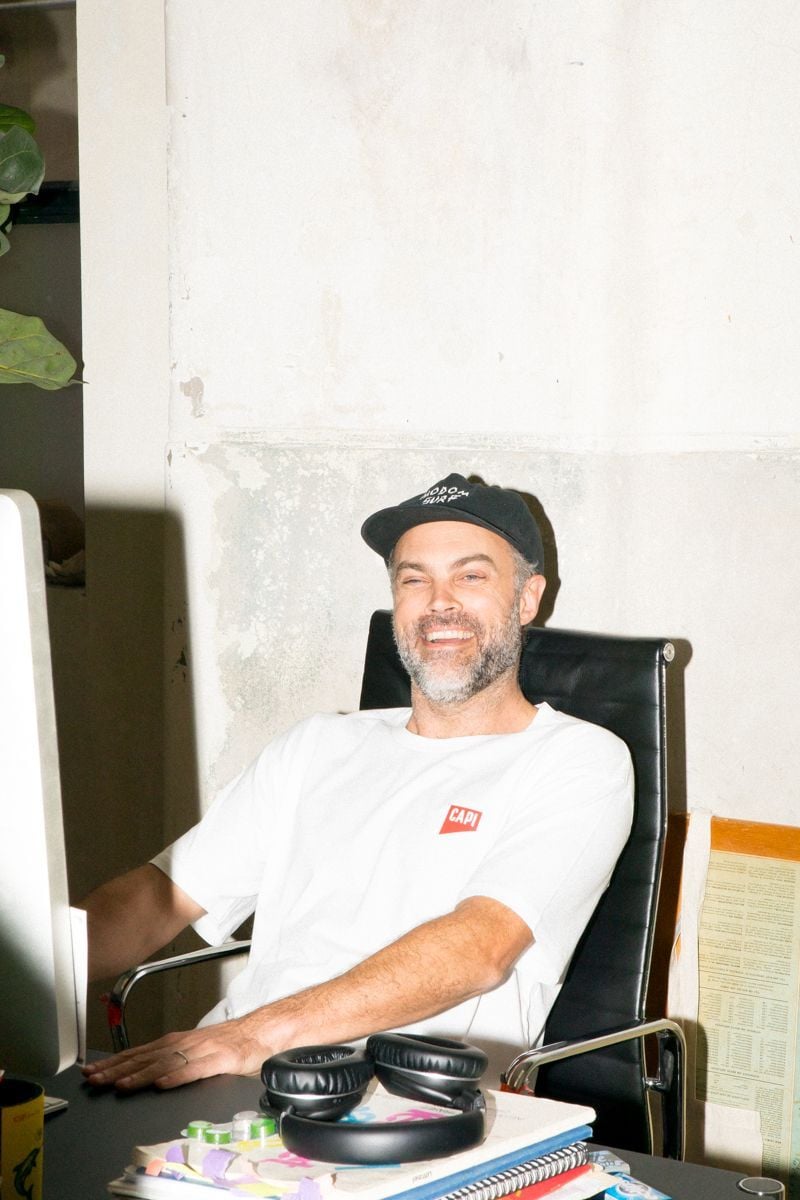
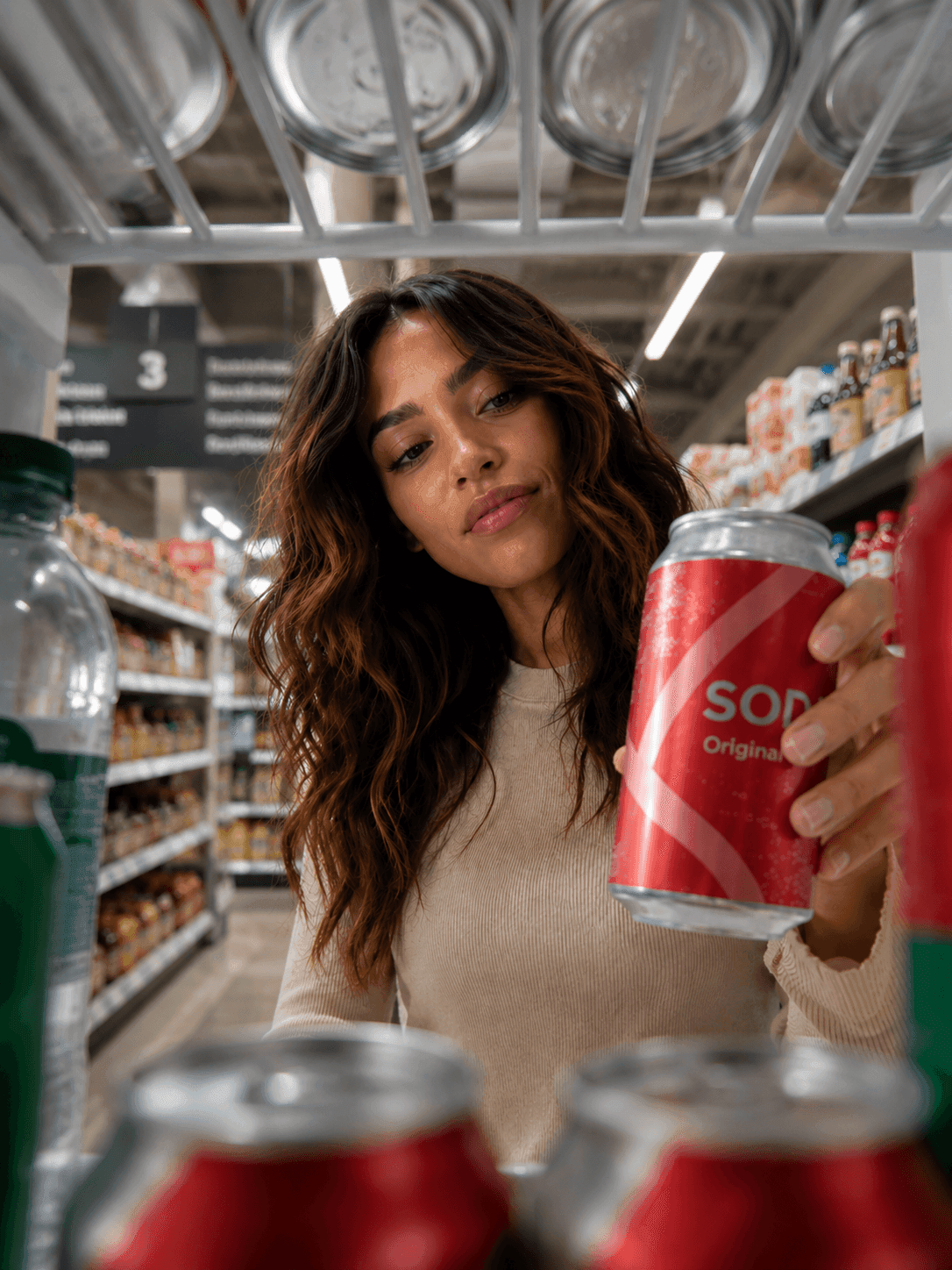
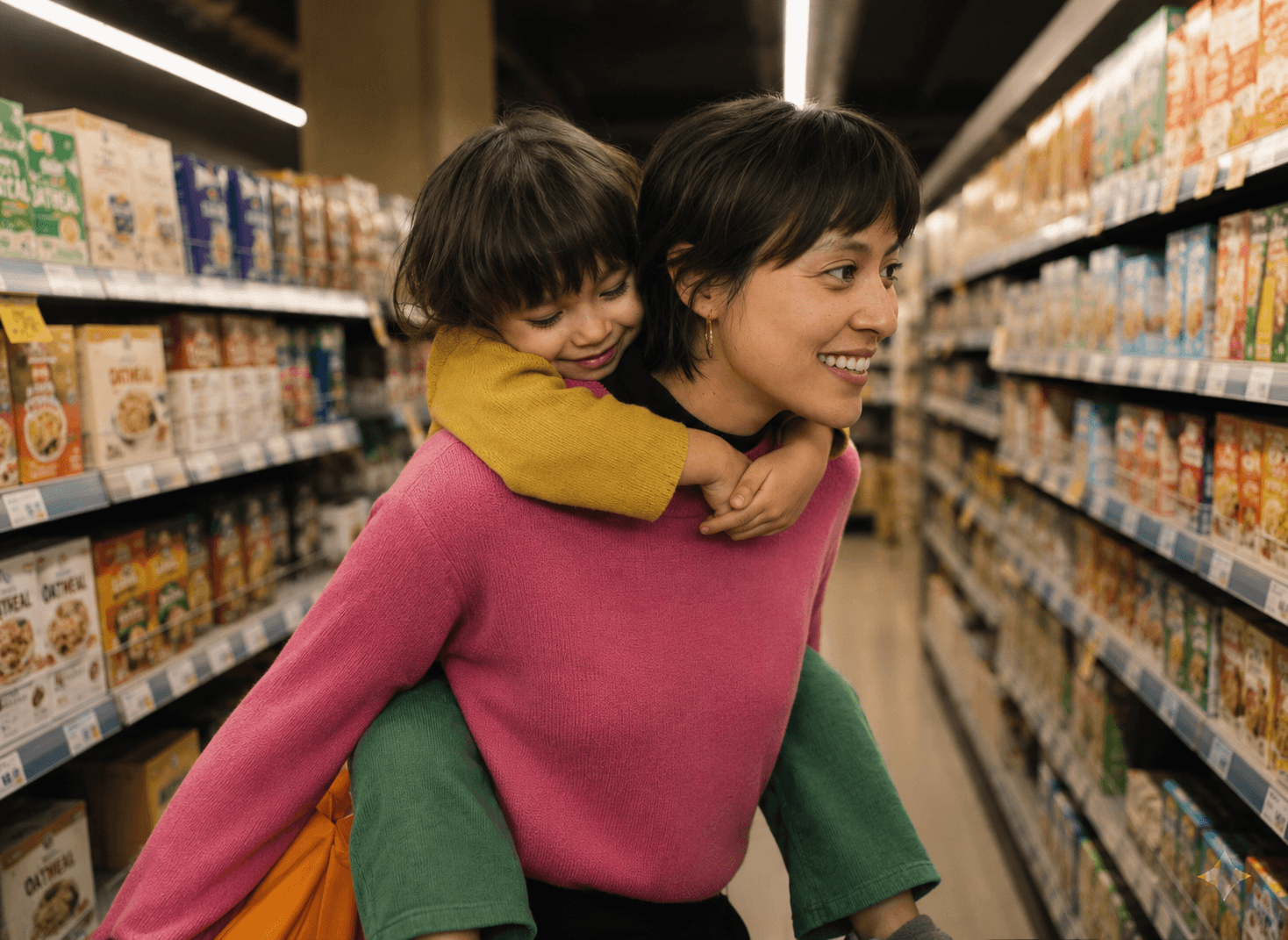
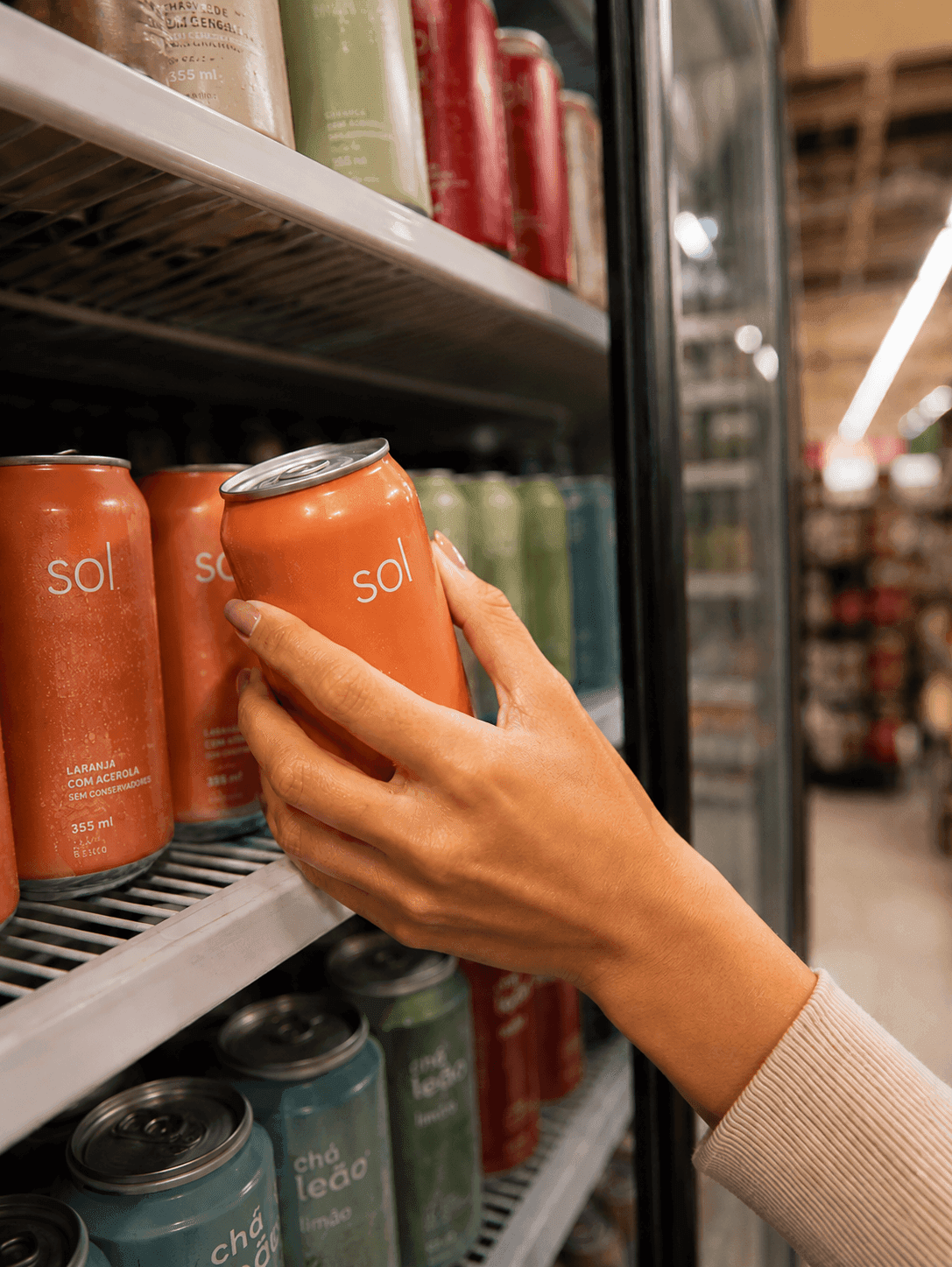
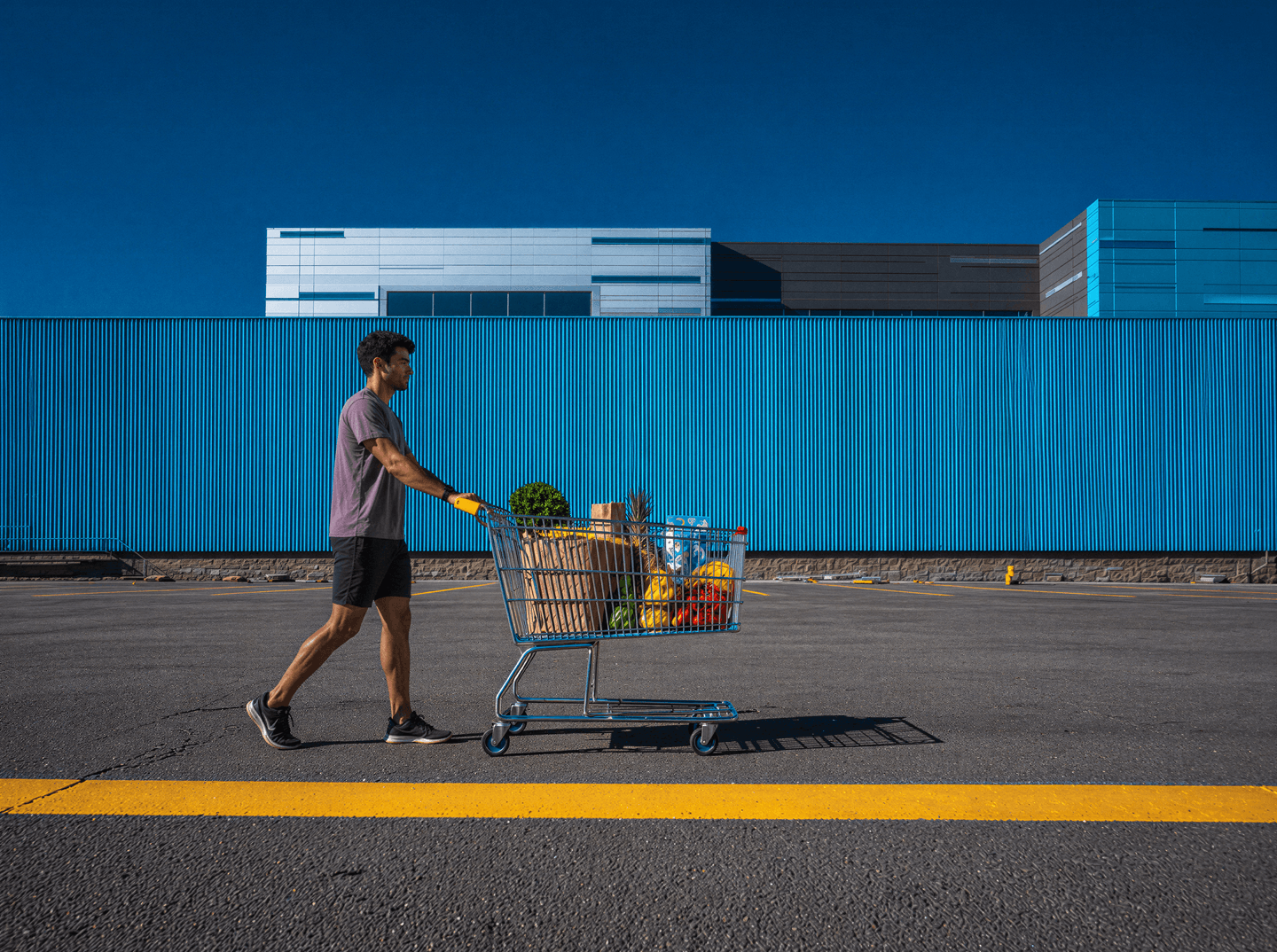
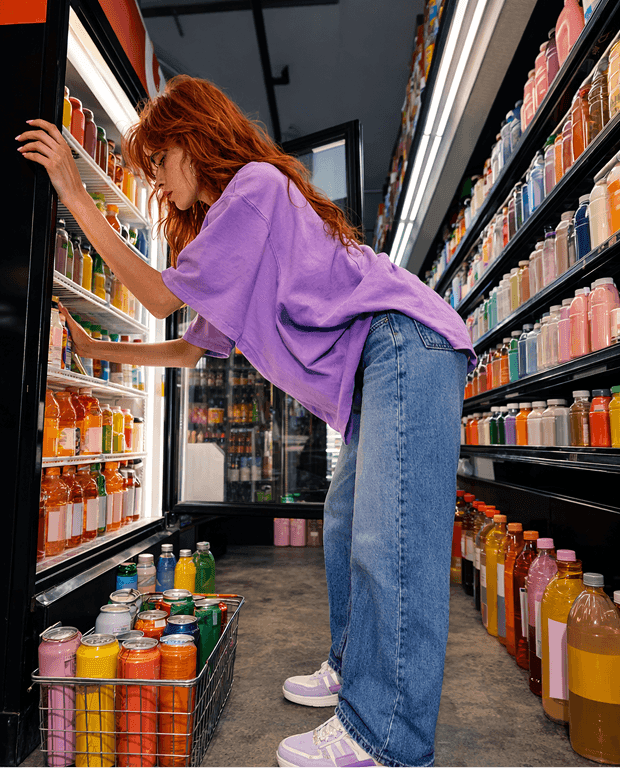
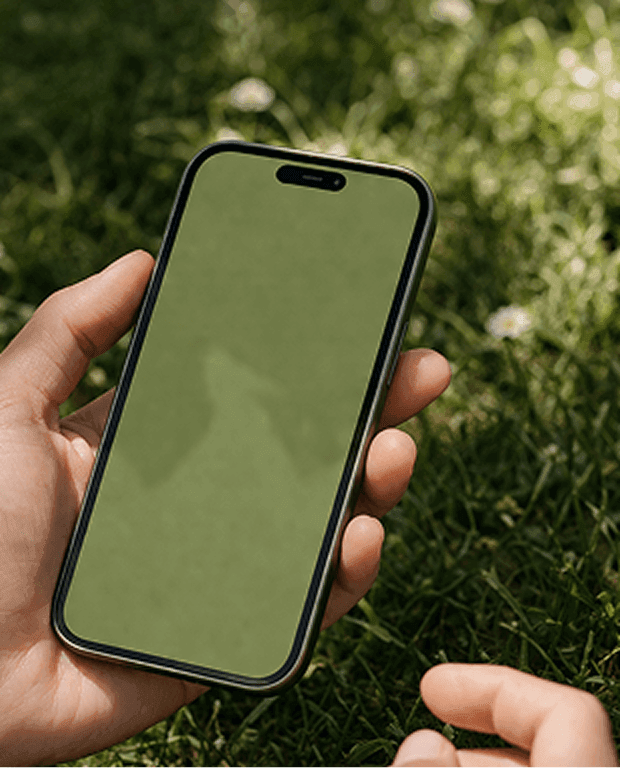
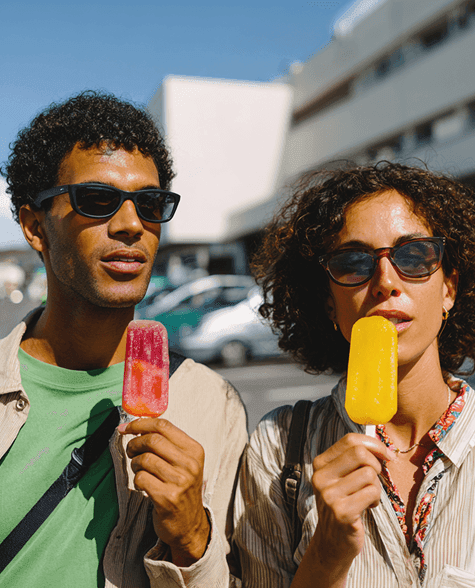
The photography system is defined by two distinct approaches: Aspirational/Corporate and Retail, adaptable to different brand moments and communication needs.
Used for moments outside of retail environments, this style is inspired by light and explores immersive compositions shaped by color and atmosphere, reinforcing a sense of innovation and sophistication.
LIGHT
Use soft, directional lighting to create depth and highlight forms, enhancing a refined and elevated visual tone.
CLOTHING
Clothing should remain neutral and understated, with casual elements balanced by a polished and well-composed look.
ACTING
Subjects should feel natural and at ease, expressing subtle confidence with relaxed and composed poses.





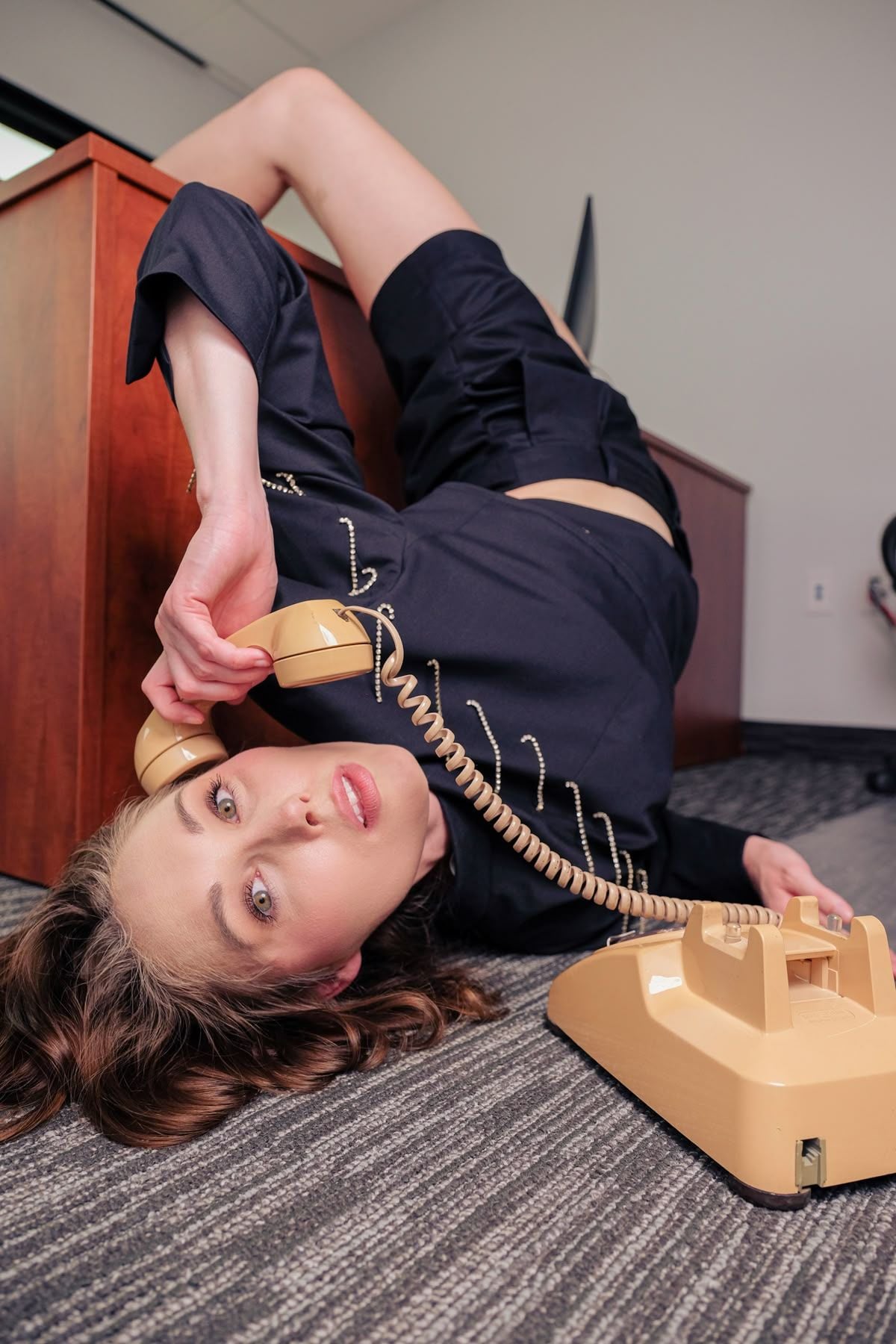

1. Do not use high-fashion poses or framing.

2. Do not use lazy or unengaged body language.

3. Do not have subjects look directly at the camera.
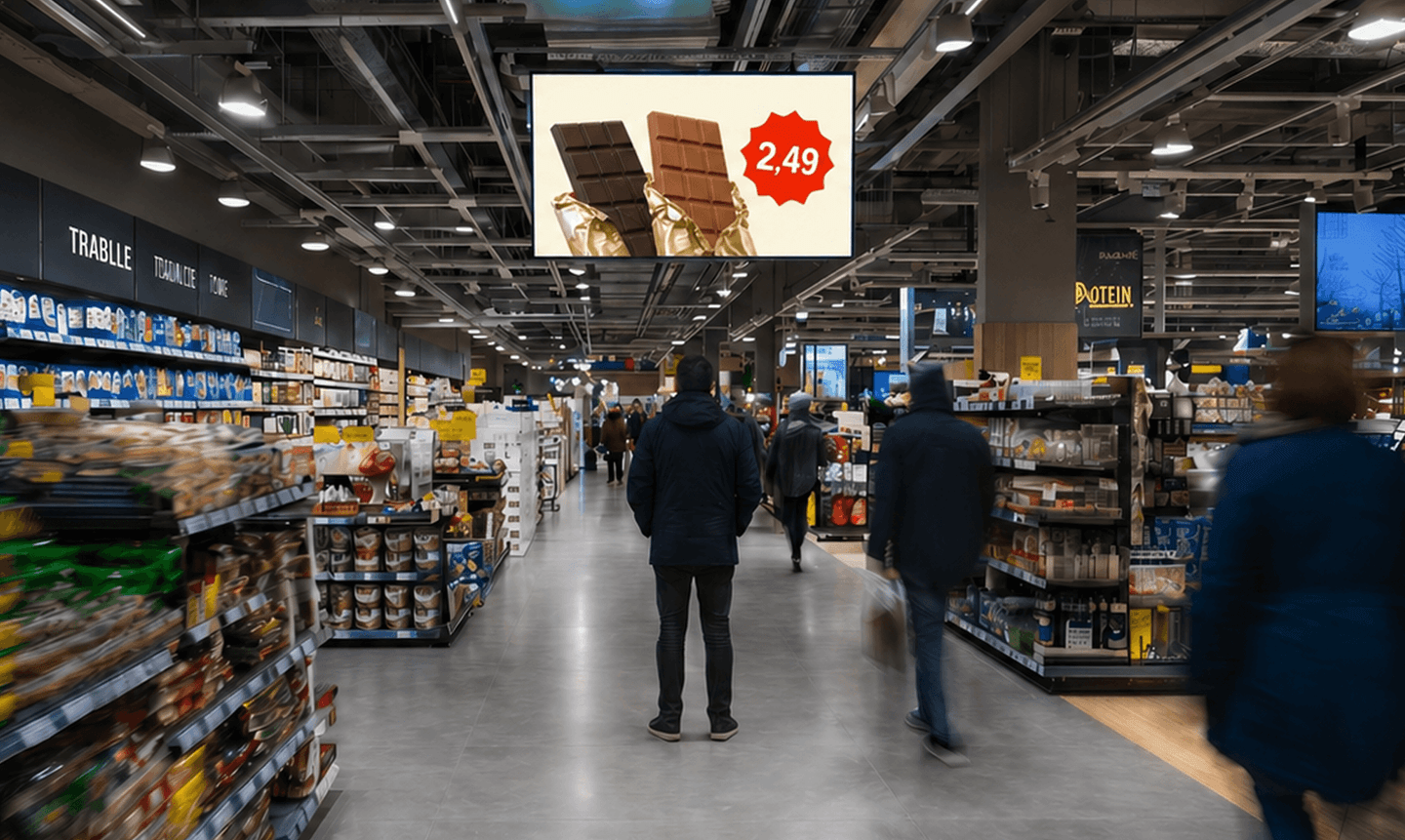
Characterized by vivid lighting, warm tones, this style brings a human and approachable dimension to the identity, highlighting real moments and connections within retail environments. This visual retail language is structured across three complementary moments: Human Moments, Retail Objects and Omnichannel Connective — each capturing a different layer of the retail experience, from emotional interaction to functional context.
LIGHT
Use vivid lighting to create a dynamic and welcoming atmosphere. Light should feel natural and lively, enhancing warmth and positivity in the scene.
CLOTHING
Clothing should be casual and colorful, combining everyday wear with a touch of sophistication. Colors can be more expressive, while still maintaining a cohesive and polished look.
ACTING
Subjects should appear happy, natural, and spontaneous. Expressions and interactions should feel genuine, capturing real moments and a sense of connection.


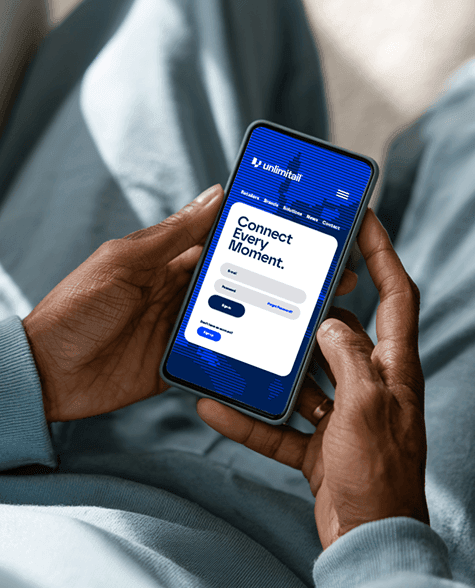
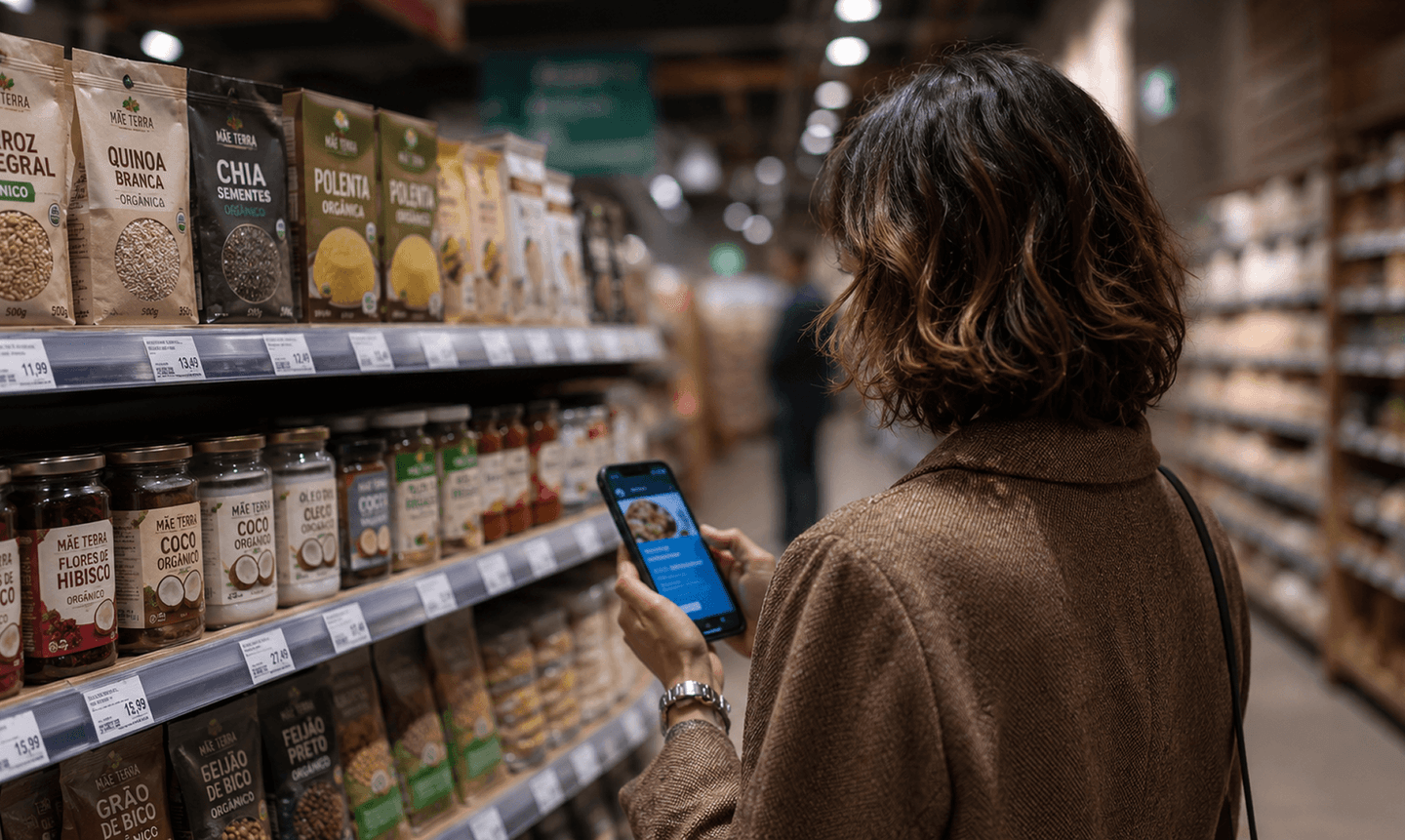
Highlight the connection between digital and physical retail experiences. Imagery should illustrate how consumers move seamlessly between devices and in-store environments. Include clear but natural representations of interfaces (mobile or desktop), ensuring UI elements are recognizable and purposeful — not generic. Whenever possible, create visual links between screen content and the physical world.
The goal is to express continuity, clarity, and integration across touchpoints.


Certain photographic approaches must be avoided. The following examples highlight applications that compromise the intended tone, quality, and integrity of the visual identity across the three retail expressions: Human Moments, Omnichannel Connective, and Retail Objects.

1. Do not portray products being handled in a disrespectful way.

2. Do not show negative or unpleasant experiences.

3. Do not use spontaneous shots that feel unpolished or amateur.

4. Do not use objects with colors that fall outside the brand’s visual universe.

5. Do not use overly posed or unnatural shots.

6. Do not place devices in environments unrelated to retail.