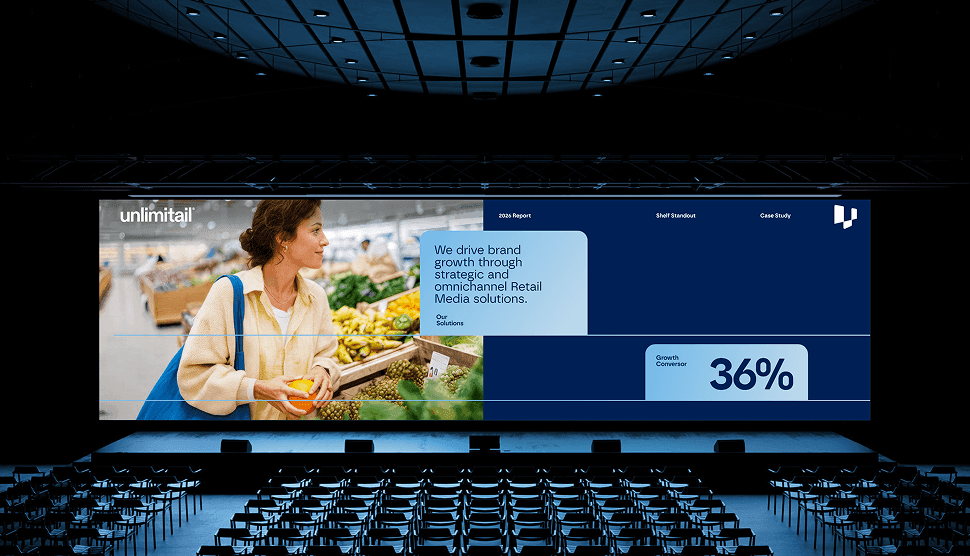
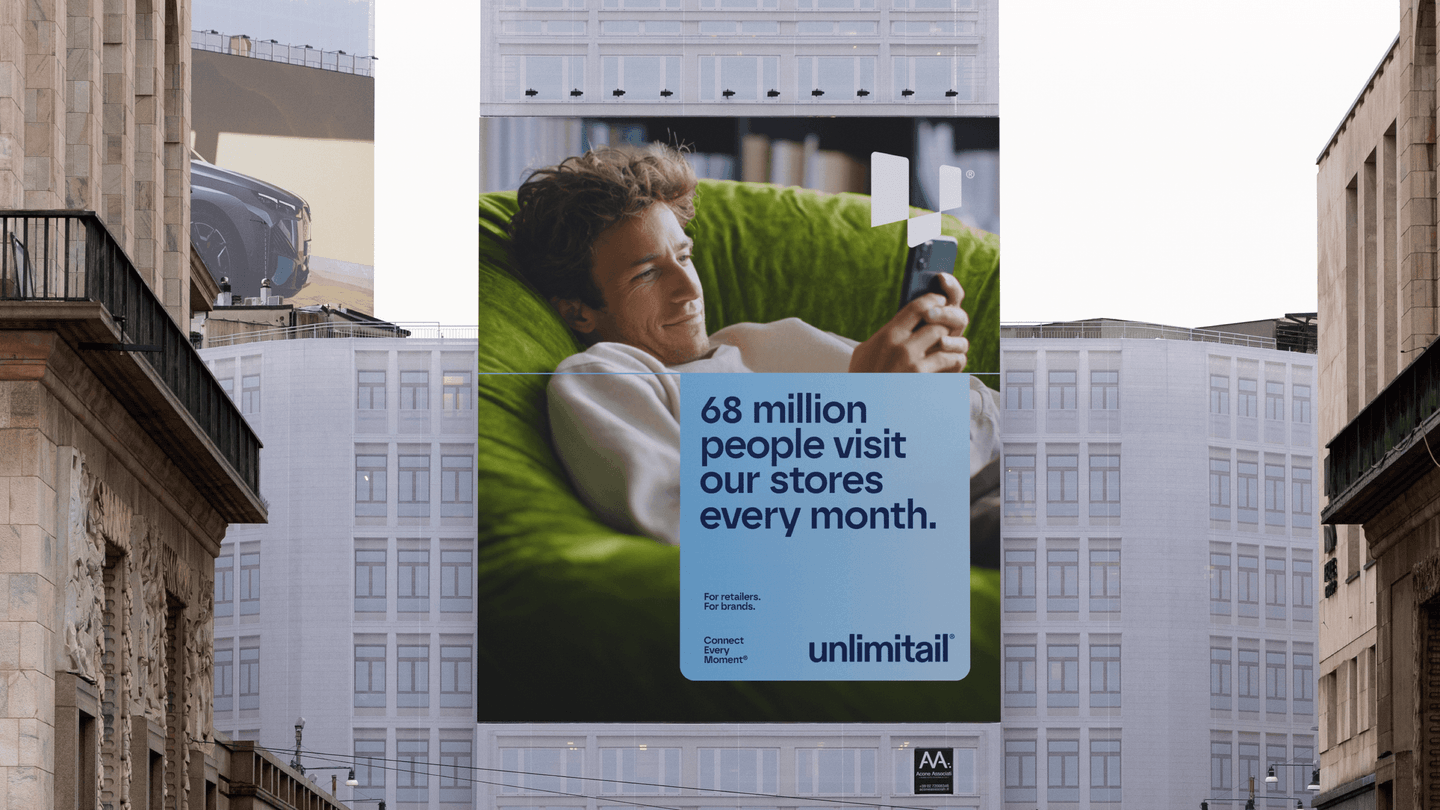
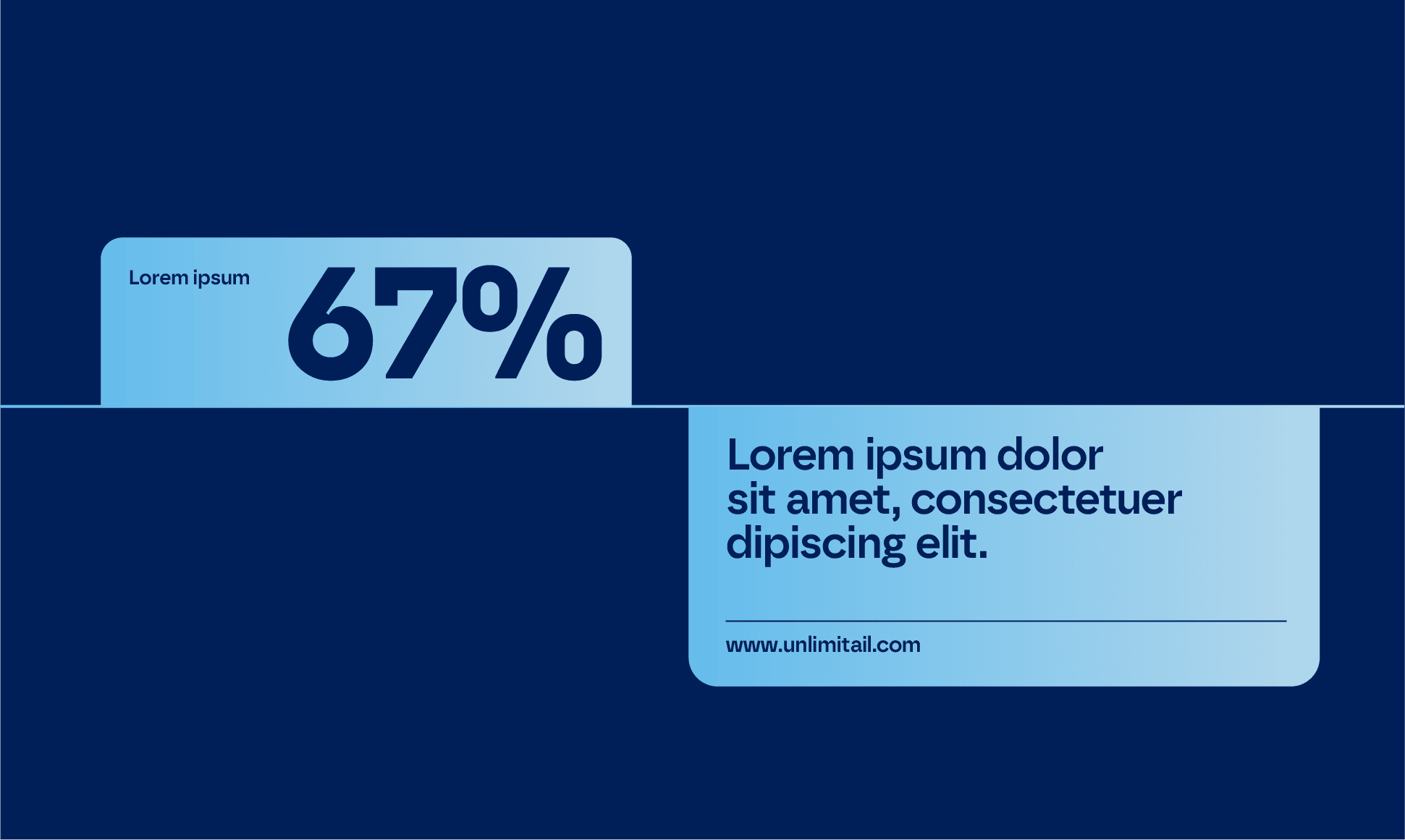
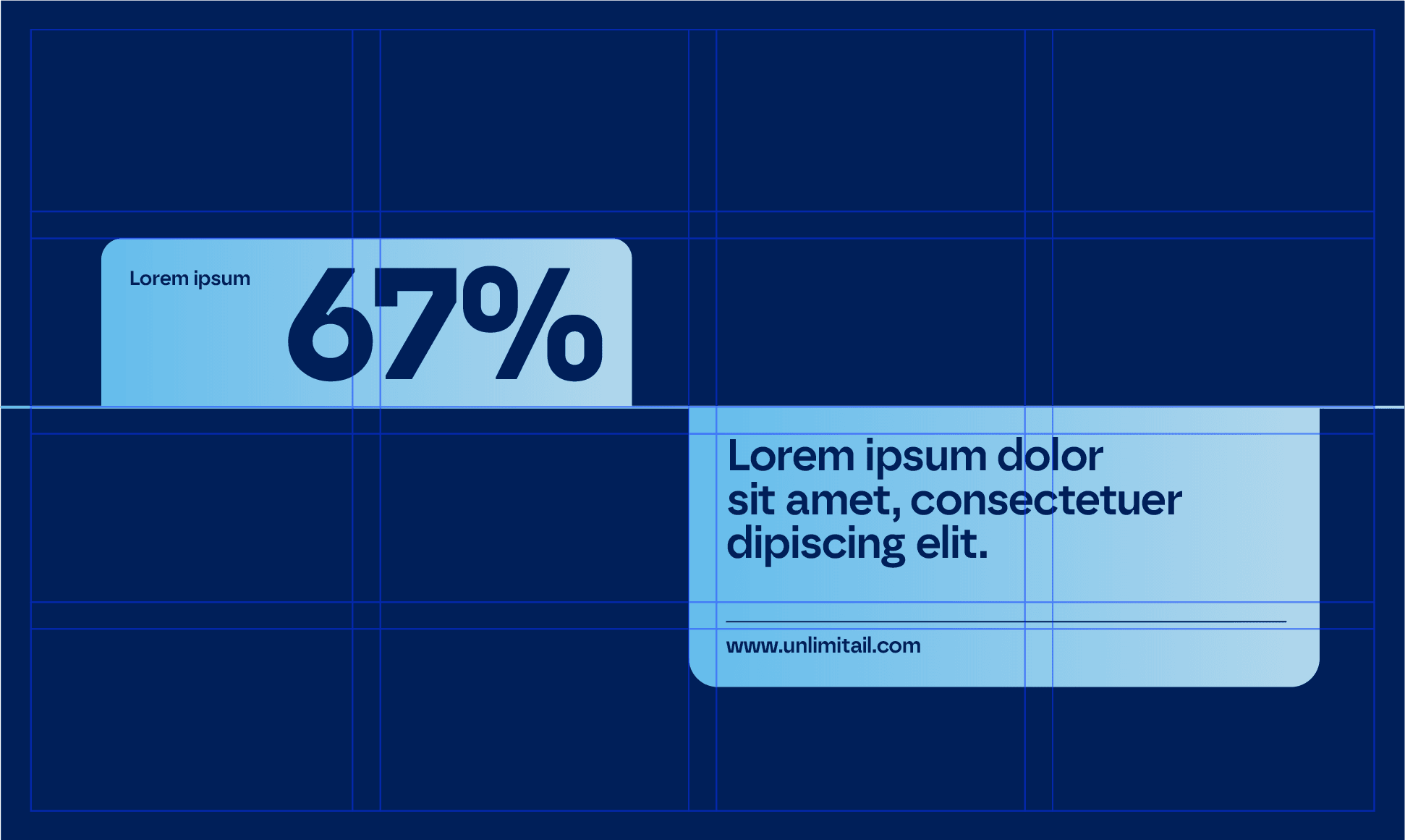
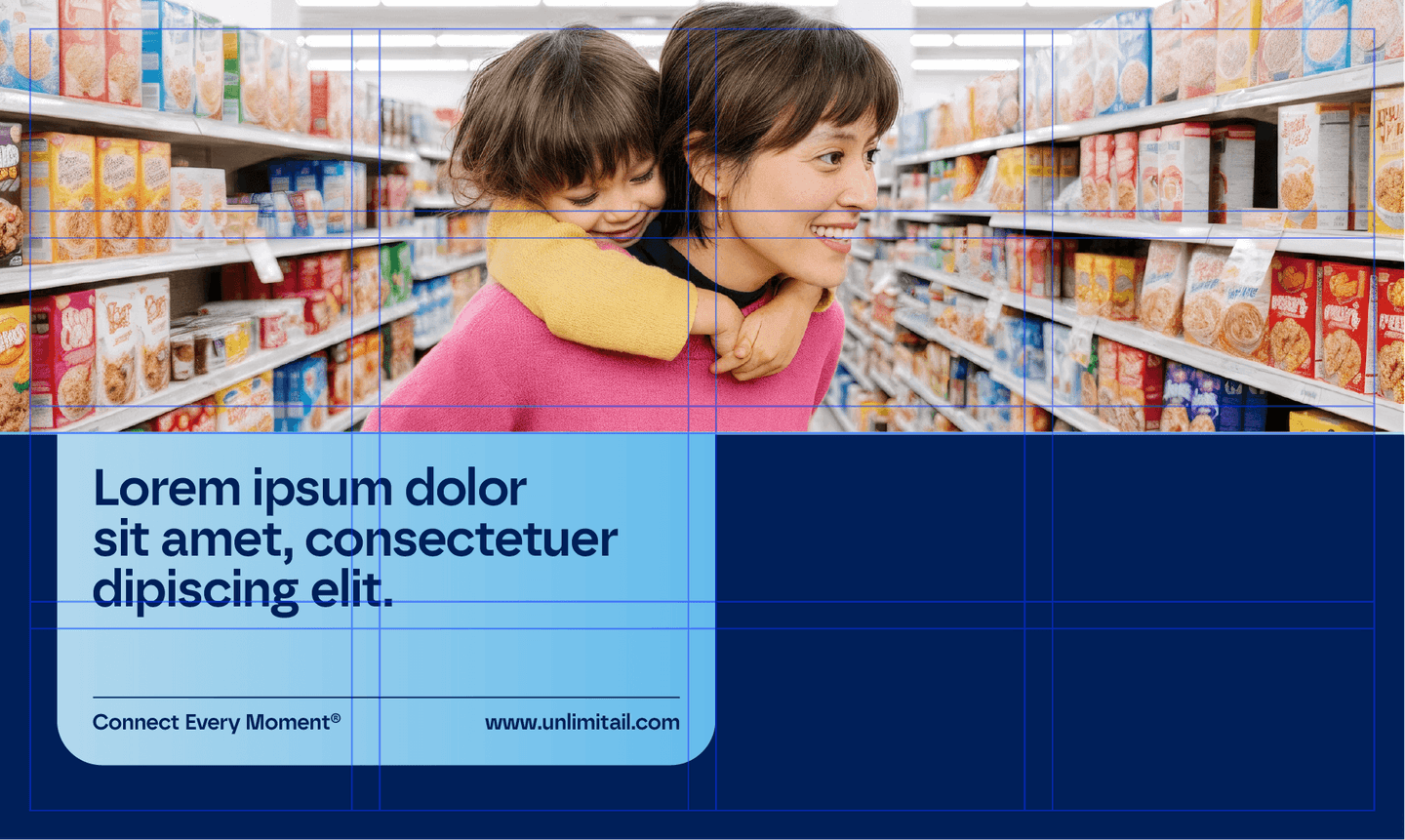
The graphic system is composed of two key components, the Shelf System and the Generative Tool, which expand the visual language by adding flexibility and expression while maintaining a structured and cohesive identity, supporting layouts, creating hierarchy, and reinforcing the brand’s data-driven concept across different applications.
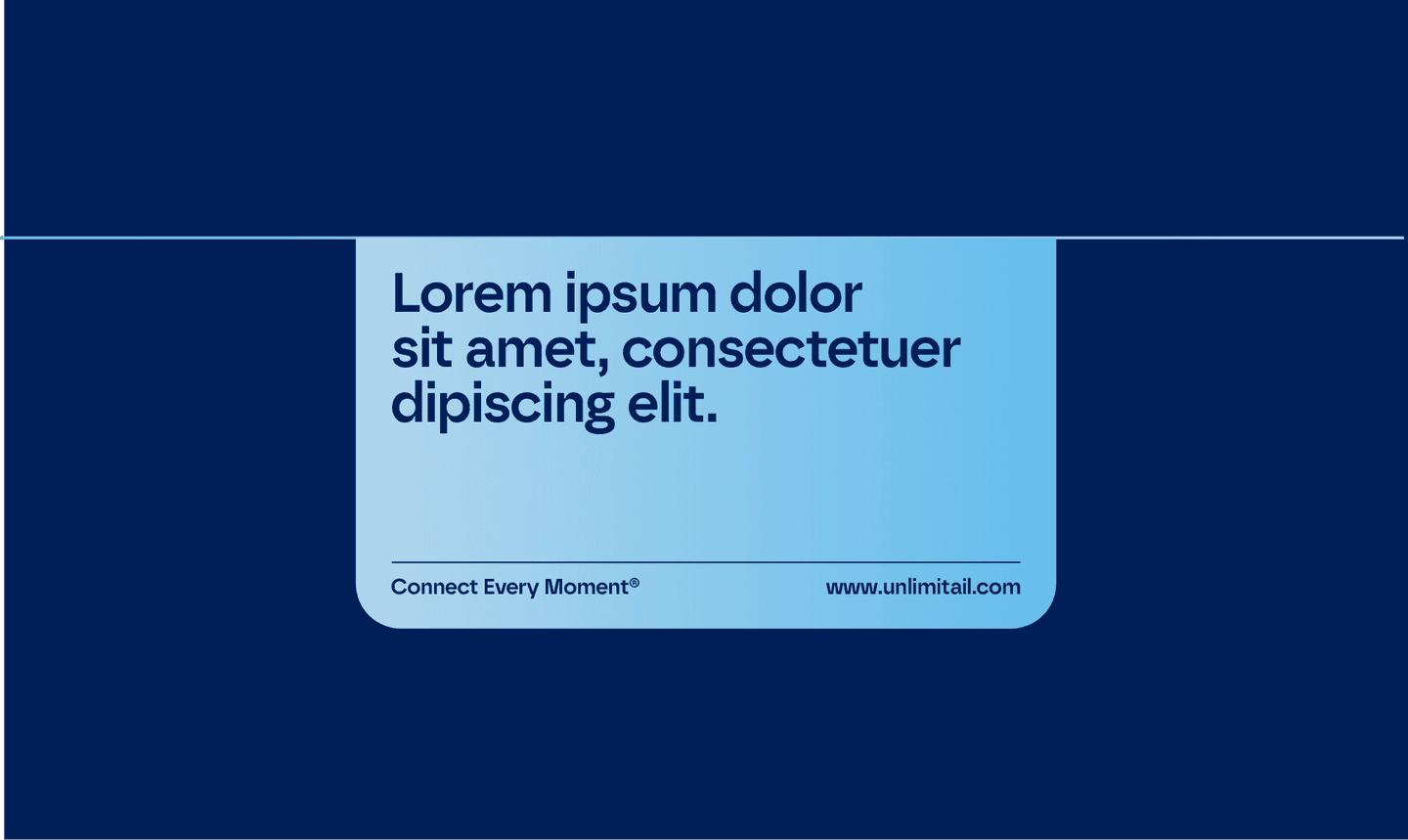
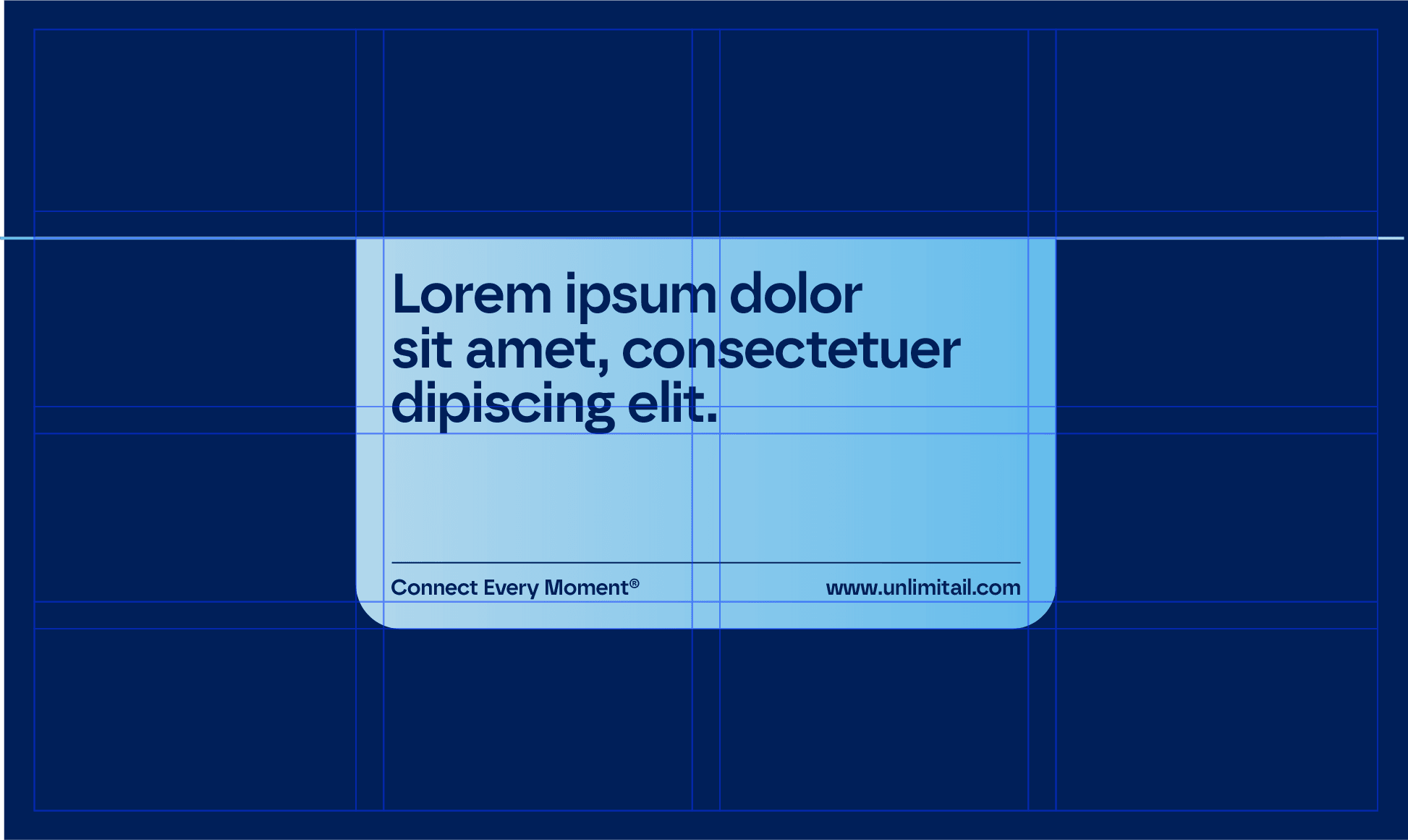
Inspired by the concept of shelves and modular structures, the Shelf System translates the logotype aesthetics into adaptable shapes. It reflects the dynamic and fast-paced nature of the industry, allowing the identity to continuously evolve while maintaining a consistent and structured visual language.


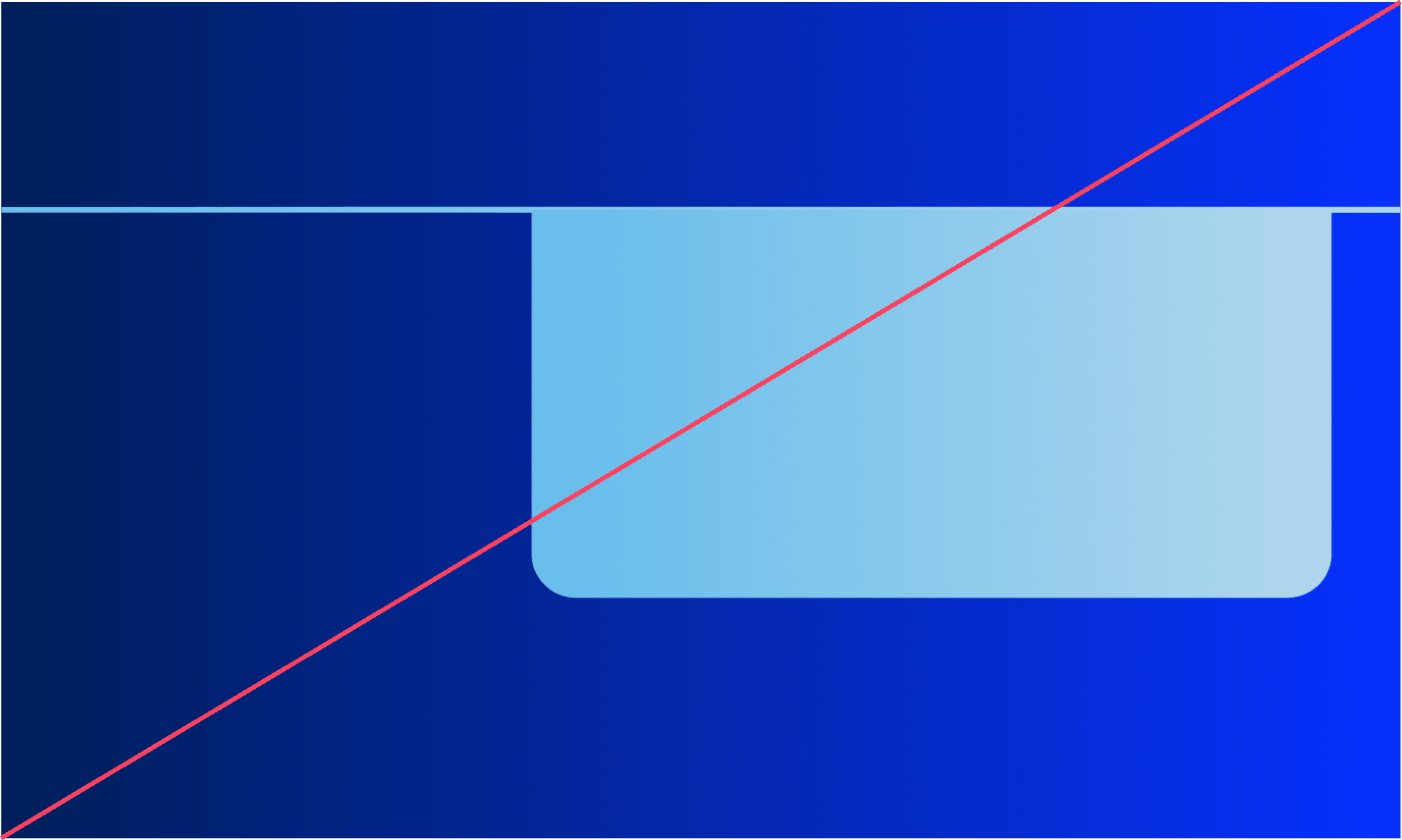
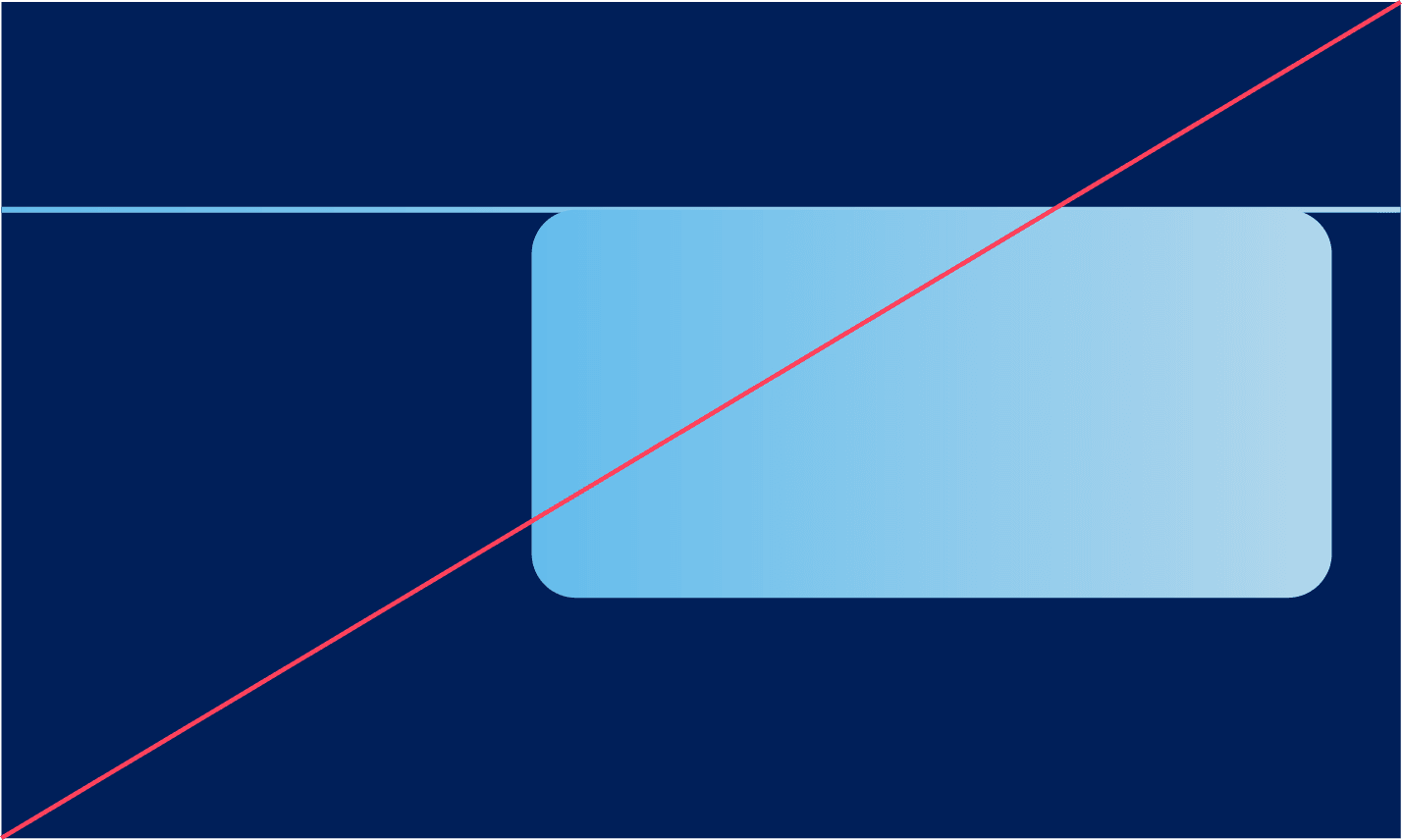
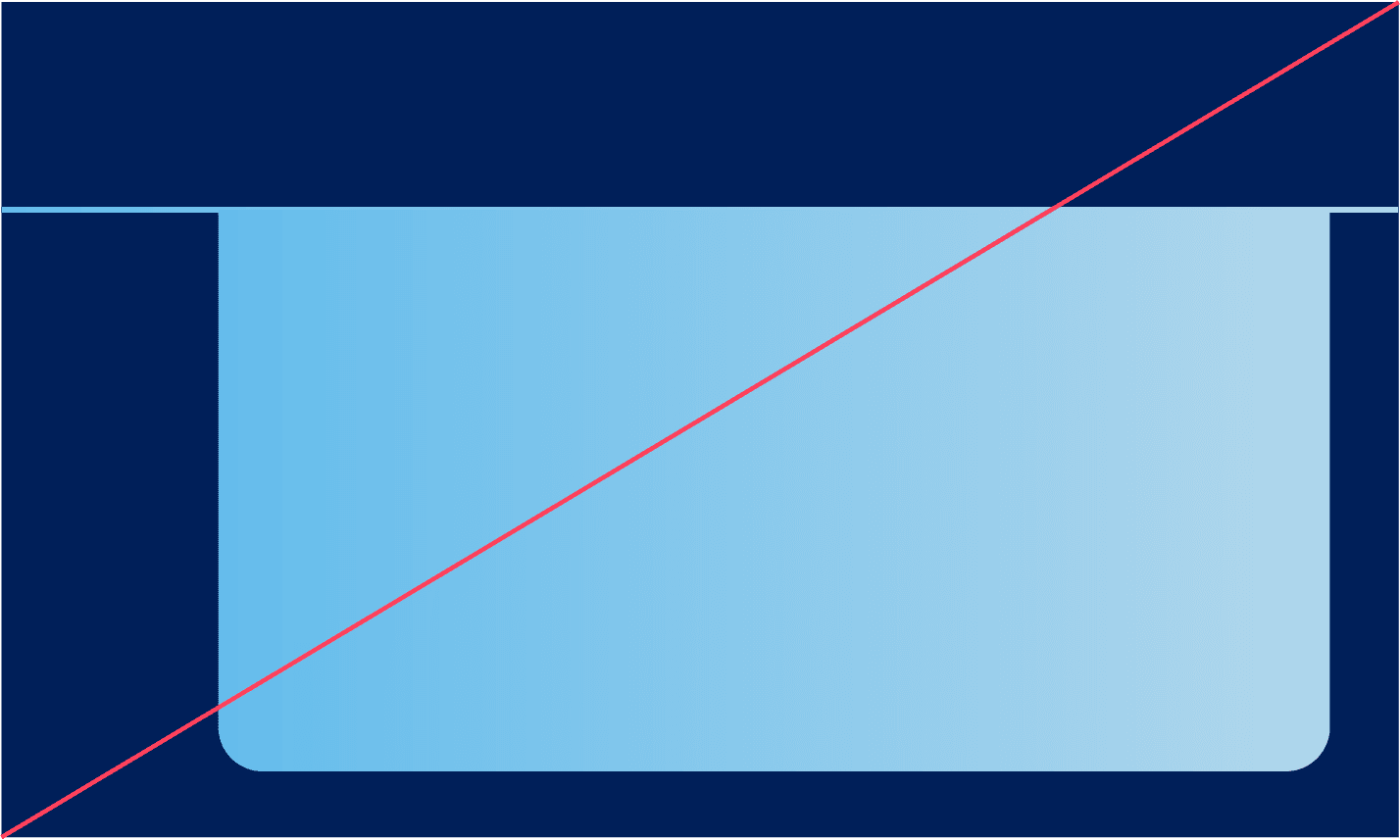
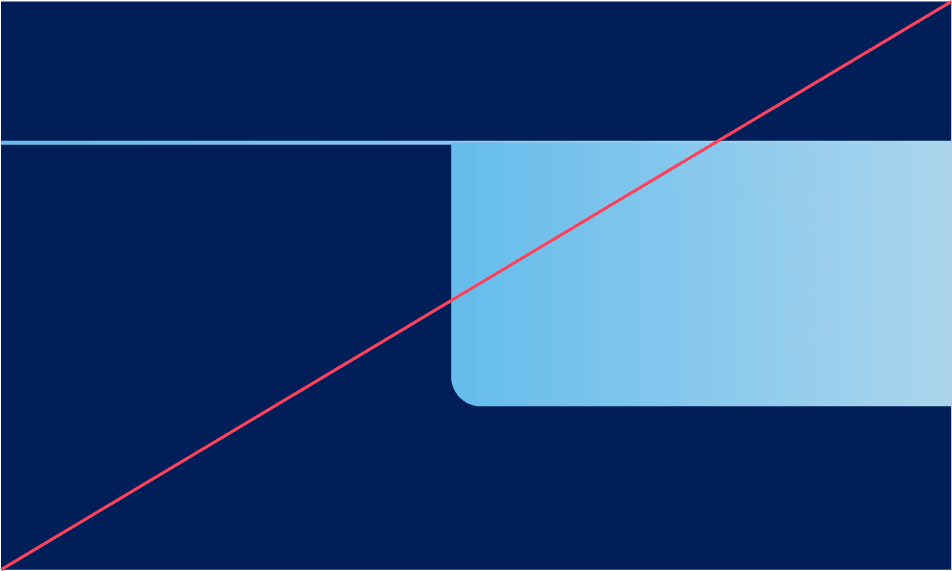
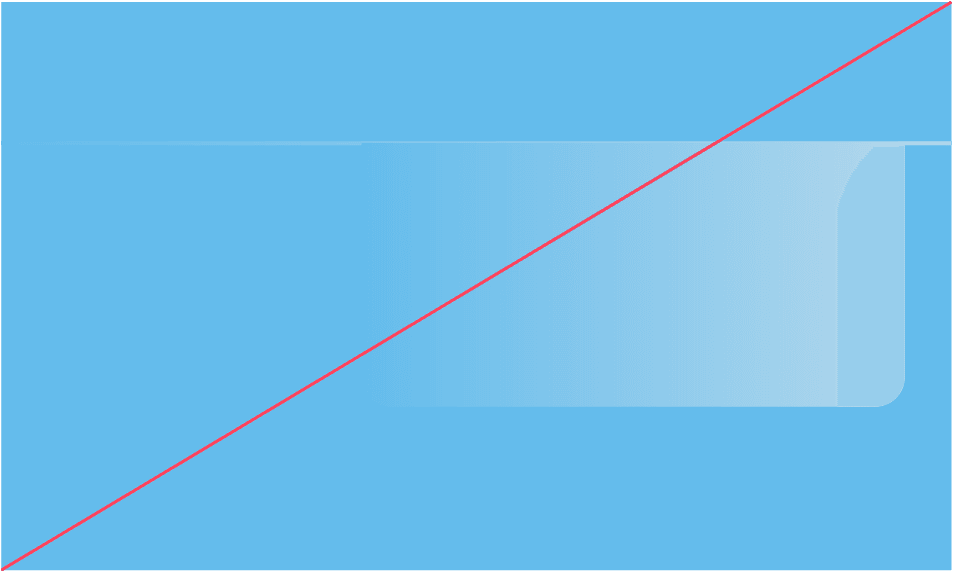
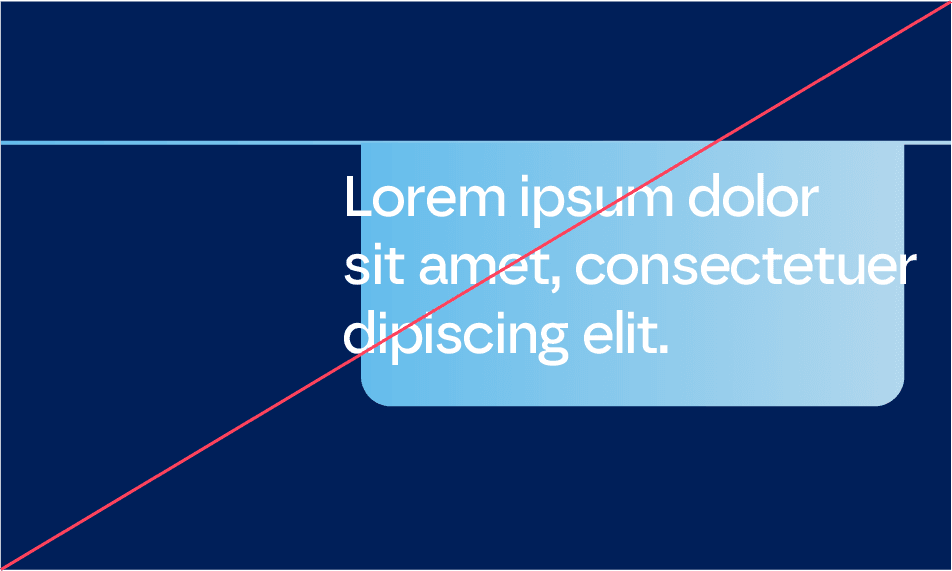
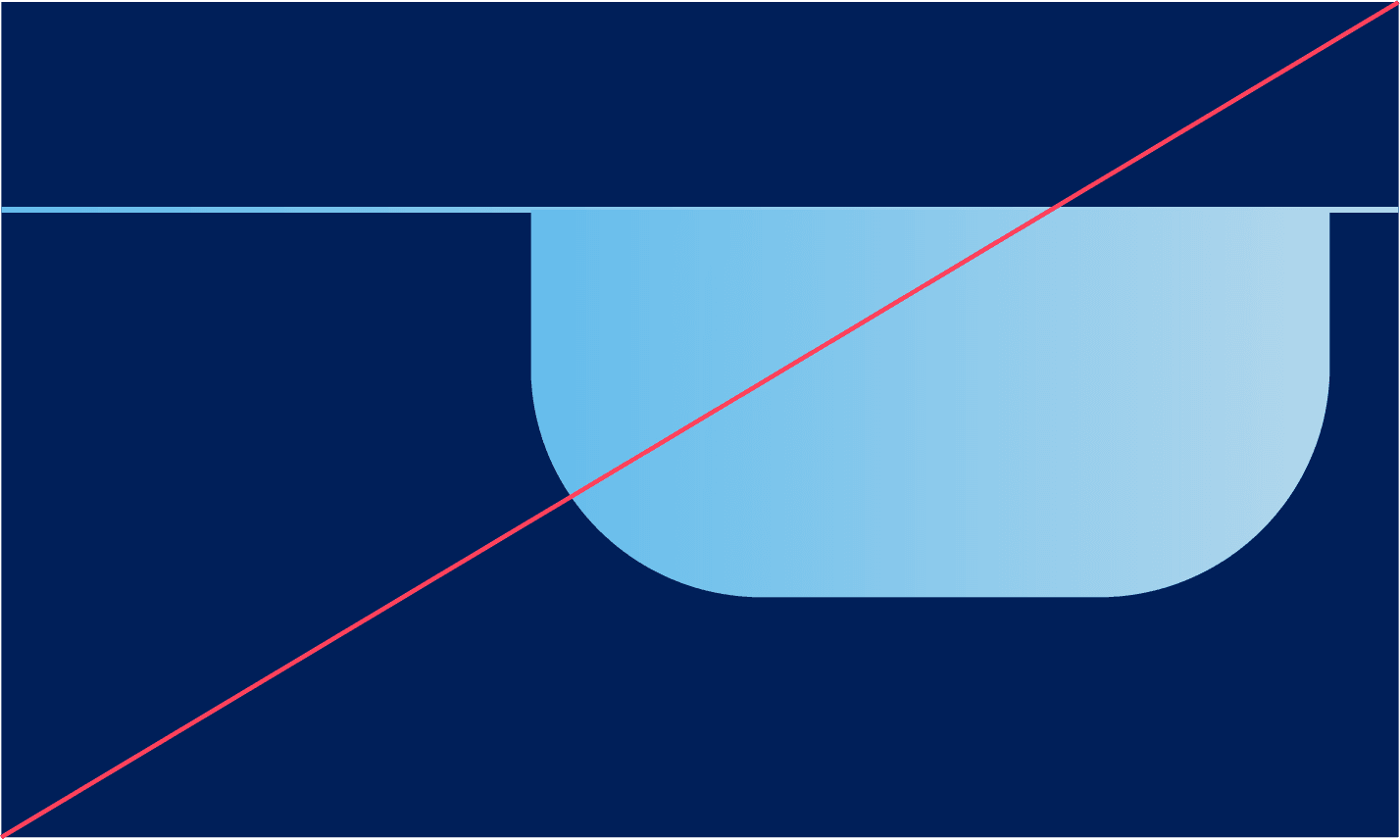
Do not layer gradients.

Do not round edges on the support line.

Do not over-round the shelf.t

Do not exceed 30% of the canvas.

Do not place the shelf outside the canvas.

Do not use low-contrast color combinations.

Do not place the shelf over key image areas.

Do not let text overflow the shelf.
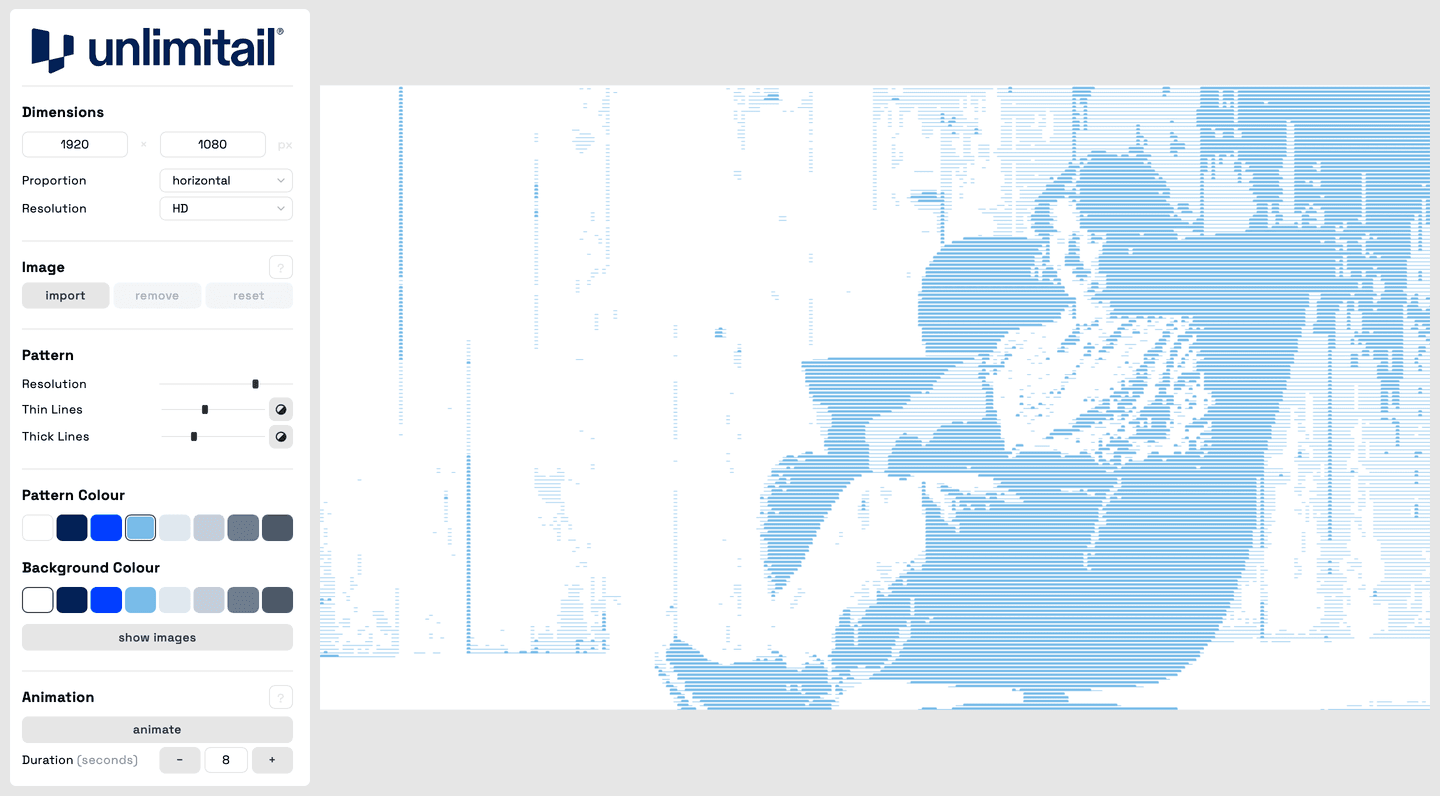
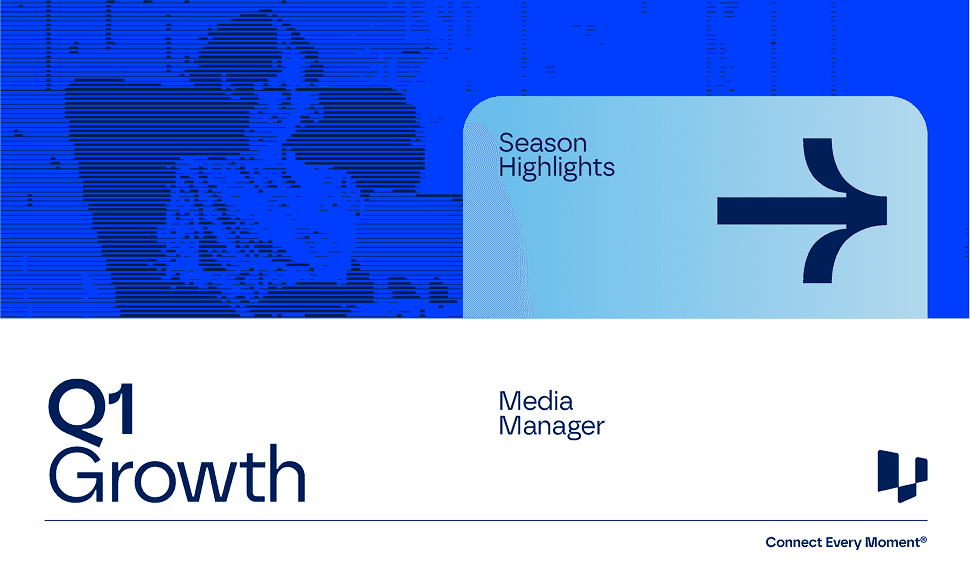
The Generative Tool transforms images into data-driven compositions aligned with the visual identity, using the same aesthetic principles as the Shelf System. It can be used as a background, illustrative element, alongside text, or on its own, as long as legibility and color contrast are preserved.
It serves as a decorative, photographic, or infographic element, generating visuals from both photography and abstract textures, representing the data behind each image while maintaining consistency across applications.

Photography should capture real moments with clarity and intention, reflecting a human and authentic perspective. When combined with the system, it becomes a base for data-driven compositions, where visual elements are applied to express the underlying data while maintaining consistency.


Abstract visuals should explore textures and data-inspired compositions, creating more expressive and conceptual outcomes. When combined with the system, they function as graphic representations of data, reinforcing the identity through a consistent and structured visual language.

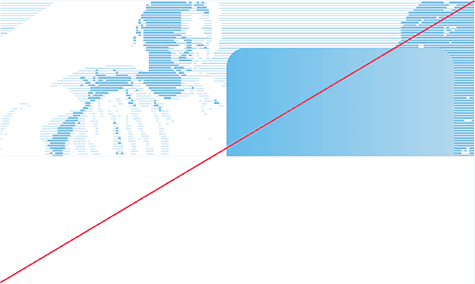
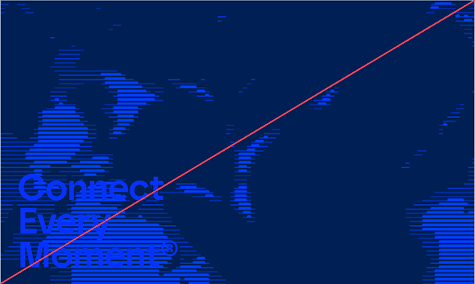
To ensure consistency and maintain a clear and structured visual language, certain applications of the generative graphic must be avoided. The following examples illustrate incorrect uses that compromise balance, clarity, and overall visual integrity.

1. Do not use images with poor color contrast.

2. Do not cover faces or key elements of the image.

3. Do not place low-contrast text over images.

4. Do not alter the image colors.